
Grieving when you don’t feel allowed to grieve
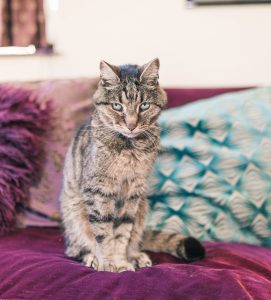
This is Barney. He was 19 years old when he was killed by a serial pet killer. I choose to say he was murdered: which may seem odd to some – certainly the police seemed bemused – but that’s what it felt like at the time. And it took many months before I was able to process the loss. He was in my life for a very long time and then taken away so suddenly and brutally.
Losing a pet under any circumstances is painful. According to the bereavement support charity, Cruse, 89% of people who experience the death of their dog feel it’s as painful as losing a family member. But because the world can be dismissive of this pain, grieving a pet can often feel like a lonely and isolating experience.
What is disenfranchised grief?
Pet grief is also known as ‘disenfranchised grief’ – a loss that isn’t openly acknowledged, or made public or socially validated. Essentially, it’s a grief that ‘you’re not supposed to feel’ or you are made to feel you’re not supposed to have deep and complex feelings about.
People can also experience disenfranchised grief when mourning the loss of a former partner, an estranged family member or a member of an extended family that is deemed ‘too distant’ to matter. I also see disenfranchised grief in ‘hidden or forbidden’ relationships, deaths that might be deemed to have stigma attached (suicide, drug overdoses etc) and miscarriage.
What helps with disenfranchised grief
Disenfranchised grief from losing a pet under any circumstance can be very difficult to deal with. People fear that they’ll be ridiculed for seeking help. But whether you’re struggling with a pet death, or some other kind of complex ending, loss is loss, and here’s what helps:
*Seek support from others – share how you’re feeling with a trusted friend or family member. Connection is key when grieving
*Honour their memory – rituals like funerals and memorials are helpful when grieving, but are not always possible or relevant when you are dealing with disenfranchised grief. Try making your own ritual: plant a tree or shrub in their memory, go to a special place that has meaning for you, fundraise for a meaningful charity or write a letter to them
*Counselling can help. Having someone to sit with you in a safe, non-judgemental space while you make sense of your thoughts, feelings and emotions is a gift to yourself.
Healing starts when we give ourselves permission to acknowledge what is going on for us.
If you’re being affected by disenfranchised grief – and there are over 60 different types, including loss of home, health, mobility, identity (which may come through retirement or redundancy), possessions or citizenship – do get in touch if you need support to get through a difficult time.